
作者/Writer – Andrew Crawford
翻譯/Translator – Jin Tao
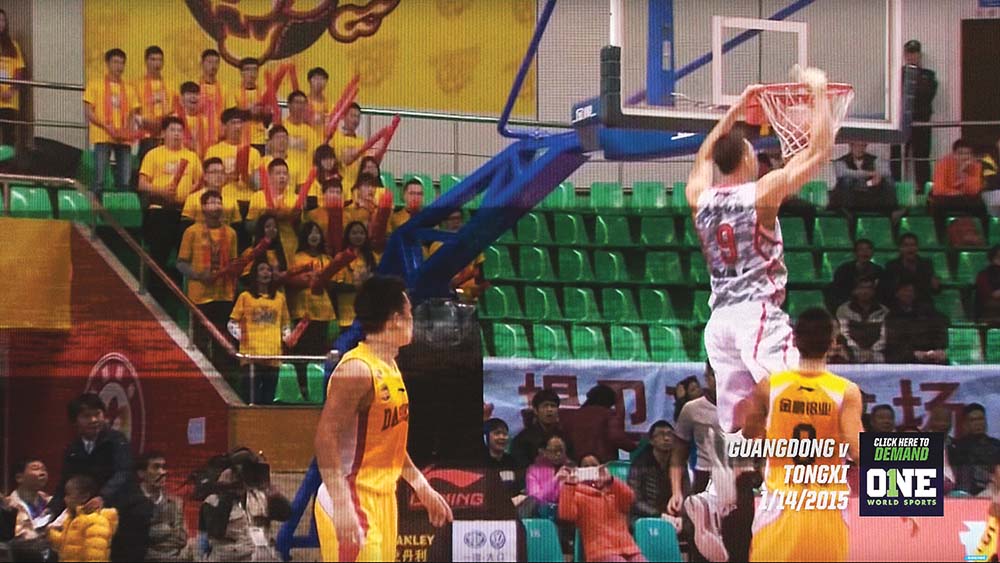
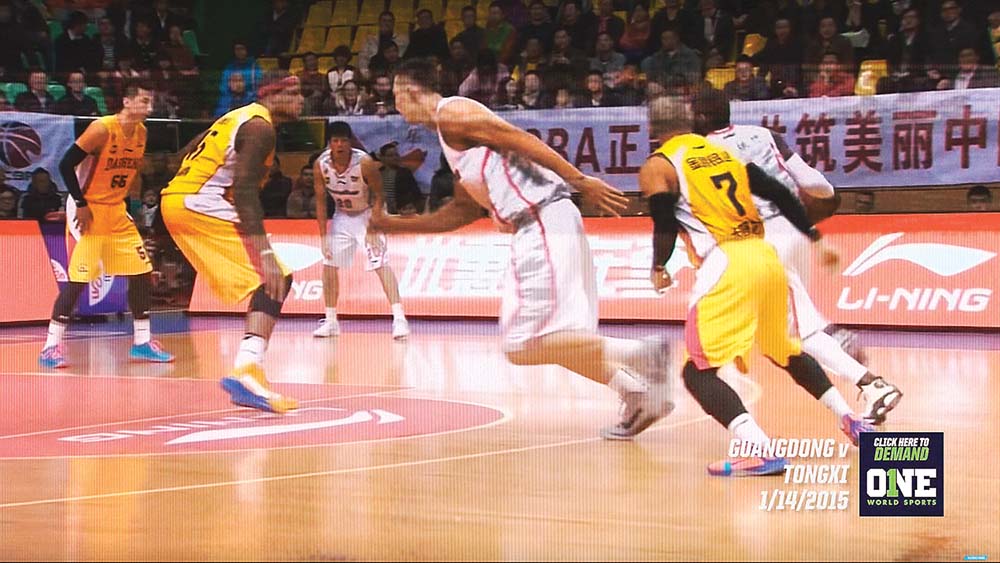
可以說,十多年來廣東華南虎幾乎無人能擋。登上它的花名冊是每一位中國籃球經理夢寐以求的目標。不管發生什麼事,無論引進怎樣的人,沒有人能夠擊敗秩序井然的蜂巢意識所做出的防守底線三分與完美的擋切,更多的恐怕只是在爭取最後不要輸的太慘。廣東奪得過許多冠軍,從2002年到2012年,他們在十屆CBA總決賽中,贏得了八次冠軍。沒錯,他們是無情、高效的霸主。
For the better part of a decade, no one could stand in the way of the Guangdong Tigers. They were a roster that haunted the dreams of every GM in Chinese basketball. Come what may, no matter what signings anyone made, no-one was going to beat the well-ordered hive mind that shot corner threes and ran the pick-and-roll to perfection. More often than not, you were fighting for the right to die last. Meanwhile, Guangdong won titles. Lots of them. From 2002 until 2012, they went to ten consecutive CBA Finals, winning eight of them. They were ruthless, efficient and utterly dominant.
< < English continued after Chinese >>
為了解廣東華南虎,首先必須追溯回夢開始的地方。2002年的秋天,姚明作為頭號种子被選入NBA。中國籃球自豪之情滿溢,一些其造成的影響也很快顯現出來。姚明最後的一個賽季一直占主導地位,場均得分32.4,場均籃板19.0以及場均蓋帽4.5,這是前所未有的好成績。然而很快,CBA的頭號种子便被美國收入囊中,而現在的中國土地上已經沒有能夠相媲美的球員了。
所以,聯賽需要挖掘新人氣明星,而廣東華南虎做出了響應。這是一次不尋常的發展,以往的廣東很受推崇也從來沒有擔心過,但即便是再強大的花名冊也會被老牌機體粉碎。因為很多時候,都是八一火箭獲勝,而中國籃球的聯賽冠軍由軍隊壟斷了幾十年,再後來,在姚明的帶領下,上海大鯊魚愈來愈勢不可擋。
到2002年,廣東也後來居上。不再是作為娛樂配角,而是成為一支勁隊。然而,他們當時並不像上海大鯊魚那樣擁有自己的核心人物,他們也不同於八一隊,出於軍隊隸屬因素只收取中國球員。這兩種風格,對於廣東華南虎而言都存在缺陷。這個團隊需要引進外國人來平滑CBA名冊粗糙的邊緣。同樣,一個成熟的本地核心也是至關重要的,這種融合風格賦予了廣東奇特的外觀。他們的就像國際象棋程序中的一方,研究好了對方的整體形式再逐一攻破。
起初,中國男籃歡迎他們的到來。沒有了姚明,上海隊已近瓦解,他們最關心的問題是八一隊是否會一直獨居榜首。相反,廣東填補了這個空白,為觀眾以及男籃帶來了耳目一新。同年,廣東自1995年以來第一次進入了總決賽,雖然輸給了火箭隊,但仍表現不凡。十二個月後,他們再次回歸總決賽,當中未輸過一場淘汰賽。然後,廣東華南虎又搞定了火箭隊,回到總決賽,四場賽事皆成為了廣東的天下。
但是,這種統治很快被殘酷與冷漠取代。李春江,在廣東低谷時期一位球員,成為了一位不容失敗的教練。他摸索出自己的門道,利用它扼殺了任何挑戰自己寶座的勢力。 2005年,廣東打敗了勇氣可嘉的江蘇南鋼,3-2的總決賽中捍衛了冠軍寶座。幾年後,他們斬殺了青春活力的遼寧恐龍。在此之後,又連續三季以輕鬆的姿態戰勝了新疆飛虎。
廣東的理念很簡單。他們聘請了名不見經傳的美國人來控制籃板,並讓精心編組的中國選手作為攻守。由於他們本土陣容的完美,讓其他球員可以打大出手,而他們的對手經常慌了陣腳,讓老外明星扮演起了英雄。多年以來,廣東華南虎,在省內一直以系統選拔潛力選手來充實壯大自己的隊伍。當然其他聯盟也試圖走此捷徑,奈何始終無法超越。
這些廣東隊在中國籃球佔據一處奇特的空間。很多人認為勢不可擋的團隊中應當是本土人才,這才是正確的打法理念,甚至許多球迷內心深處非常厭惡廣東隊這種顯然易見的目的性。 "你需要我這樣的人",《疤面煞星》中的強盜Tony Montana曾這樣說道,"那樣你才能指著我說,這是傢伙才是壞蛋",廣東隊就是壞蛋。能夠擊敗他們自然是極好的,但很多時候,是他們輾碎了你的夢想,阻止你最喜愛的球員贏得總冠軍。
這是華南虎的方式:一個不近人情,無好感的故事。
然後,經過十年的不受干擾的榮耀之路,一些非常意想不到的事情發生了。Stephon Marbury、Kenyon Martin及J.R. FUCKING SMITH出現了。不知何故,突然間,廣東建起的世界轟然坍塌在他們自己頭上。
Part 2 in two weeks.
< < English continued below >>
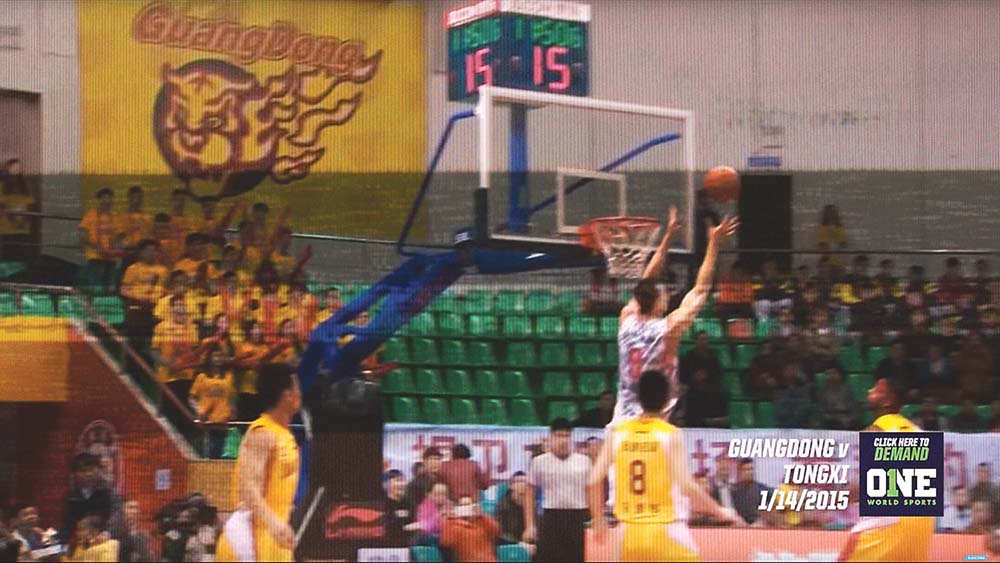
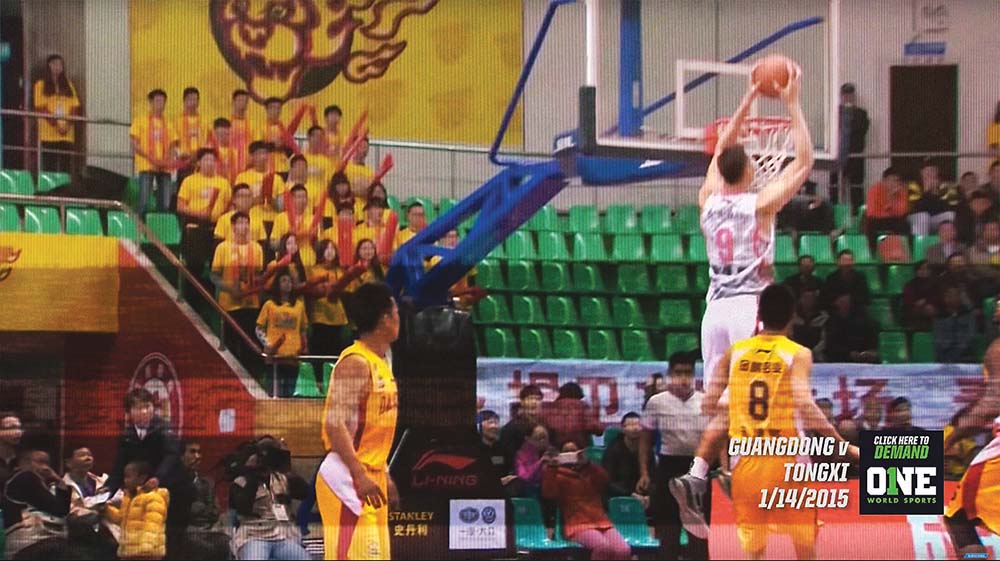
To understand the Guangdong Tigers, one must first go back to where it all began, the autumn of 2002. By then, Yao Ming was being drafted into the NBA as a number one pick. Chinese basketball beamed with pride but there were also immediate consequences. That final season, Yao had been dominant, averaging 32.4 points, 19.0 rebounds and 4.5 blocks per game. No one had seen anything like it, but soon enough, the biggest thing the CBA had ever known was relocated to America. Now there was no headline attraction to watch on Chinese soil.
So with the league needing a new star, Guangdong answered, not as an individual, but as a collective. This was an unusual development given how Guangdong were often respected but never feared. All too often, their exciting rosters made the play-offs only to be crushed by a machine. Most of the time it was the Bayi Rockets, the military side that had ruled Chinese basketball for decades, and then later, the Shanghai Sharks, led by the increasingly unstoppable Yao.
By 2002, Guangdong had crossed over too. No longer the entertainers, they had instead become the machine itself. Yet they did not build around a key component like Shanghai. Nor were they like Bayi, who only fielded Chinese players due to the team’s links with the People’s Liberation Army. Both of these approaches seemed flawed to Guangdong. A team needed foreigners to smooth out the rough edges of a CBA roster. Equally, a well-rounded local core was also vital. This fusion of styles gave Guangdong a strange appearance. They were a side that operated like a chess program; studying the opposition before breaking them down piece by piece.
At first, Chinese basketball welcomed them. Without Yao, Shanghai crumbled and there was concern that Bayi would be left alone at the top. Instead, Guangdong filled the void and their difference was refreshing. That same year, Guangdong went to the Finals for the first time since 1995, losing to the Rockets but still showing reasons to be positive. Twelve months later, they returned to the Finals without losing a play-off game in the earlier rounds. Fittingly, the Tigers then carved up the Rockets, who had also got back to the championship series, in four games and the Guangdong dynasty was suddenly underway.
But that reign soon turned cold and cruel. Li Chunjiang, a player from when Guangdong didn’t win, was now the coach of a team that refused to lose. Having found his system, Li used it to snuff the daylights out of any challenge to their throne. In 2005, Guangdong defended their title by defeating a wonderfully plucky Jiangsu Dragons roster, 3-2 in the Finals. A couple of years later, they slaughtered the youthful and similarly worthy Liaoning Dinosaurs. After that, Guangdong beat up the Xinjiang Tigers for three seasons in a row like it was a chore.
The Guangdong system was always simple. They hired unheralded Americans to rebound and let their well-marshaled Chinese players grind down the opposition. Because their local roster was so good, more players could hit the big shots whilst their rivals often panicked and asked their foreigner stars to play hero ball. For years, the Tigers, based in the vast Guangdong province, always kept finding new gems from their youth systems and plugged them straight into their winning system. Meanwhile, the rest of the league tried to cut corners but could never catch up.
Those Guangdong teams occupied a weird space in Chinese basketball. Many liked the idea of an unstoppable team full of homegrown talent that always made the right play; whilst deep down, even the fans that loathed Guangdong knew they served a purpose. ‘You need people like me’, spits Tony Montana in Scarface, ‘so you can point and say, “that’s the bad guy”’. Guangdong were that bad guy. When you beat them, it was wonderful but all too often, they crushed your dreams and stopped your favorite players winning a title. That was the Tigers’ way: no mercy, no relief, and no feel-good story.
Then, after a decade of undisturbed glory, something very unexpected happened. Stephon Marbury happened. Kenyon Martin happened. J.R. FUCKING SMITH HAPPENED. And somehow, suddenly, Guangdong’s world came crashing down upon their heads.
Part 2 in two weeks.